Lifestyle branding in 2026 no longer fits into neat categories. It now reflects how people actually live, shop, cook, dress, and follow creators across platforms. The evolution is visible in how brands expand beyond products and move into daily habits, shared interests, and personal relevance. Jennifer Fisher’s latest moves offer a clear look at what this next phase looks like in real time.
Jennifer Fisher opened her newest retail space in Beverly Hills just steps from Erewhon, the organic grocery store known for celebrity-backed smoothies. The proximity was deliberate.
As Fisher put it, “That’s where everyone is. It’s strategic.” The marble-lined, low-lit store officially opened today and marks the third physical location for the brand, following a Madison Avenue opening in New York last September.
Inside the store, the brand’s core jewelry remains front and center. Signature hoops and the puffy heart collection sit alongside fine jewelry priced up to $35,000. The layout reflects a shift away from single-category retail and toward a broader lifestyle environment that mirrors how customers already engage with the brand.
Jewelry Was Just the Starting Point
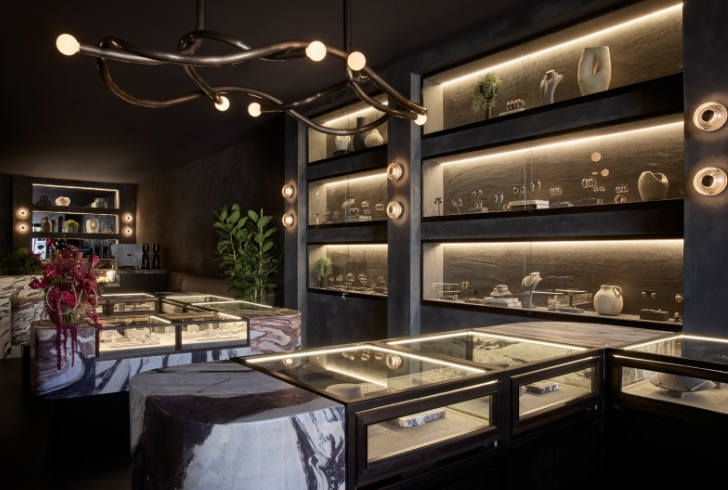
Instagram | jenniferfisherjewelry | Jennifer Fisher expands to Beverly Hills with a marble-lined shop focused on lifestyle retail.
Fisher launched her namesake label in 2005 with a small jewelry assortment. Over time, the business expanded in directions that followed personal interests rather than traditional fashion extensions. In 2017, the brand introduced “Universal Salt,” which later expanded into spicy salt, curry salt, and everything salt, all packaged under Jennifer Fisher branding.
That move opened the door to food-related projects, including a cookbook titled “Trust Your Gut” and a bottled fragrance described as smelling like coconut cookies. The pipeline continues to grow. An eyewear line is in development, a cotton beanie has already launched, denim is scheduled for later this year, and a men’s jewelry line in sterling silver is on the way.
Fisher expects that collection to appeal to women as well, based on current buying behavior.
Personal Visibility as a Business Tool
Crossover visibility plays a role in how new categories gain traction. After hosting a launch event attended by the Los Angeles social scene, Fisher is set to appear on Martha Stewart’s podcast to discuss cooking and business lessons. These moments extend brand reach without relying on traditional advertising.
Fisher also maintains a strong presence on Shopmy, where outfit links, product recommendations, and brand partnerships, including one with Lalo Tequila, contribute to ongoing consumer engagement. That visibility connects directly to Maedyn, her separate platform focused on lifestyle and cooking content, which supports the broader business ecosystem.
From Fashion Insider to Founder-Led Brand
Fisher’s path did not follow a celebrity-first model. Her early career included magazine work and styling for television and commercial sets. A desmoid tumor diagnosis introduced her to wellness routines and medical treatments, while a complex fertility and surrogacy process that ended in a natural pregnancy inspired her first jewelry design, a dog tag necklace engraved with her son’s name. She later referred to that period as “Jennifer Fisher 1.0.”
Recognition followed. In 2012, Fisher became a finalist for the CFDA/Vogue Fashion Fund. Still, the brand’s second phase arrived much later.
Social Content Changed the Growth Curve
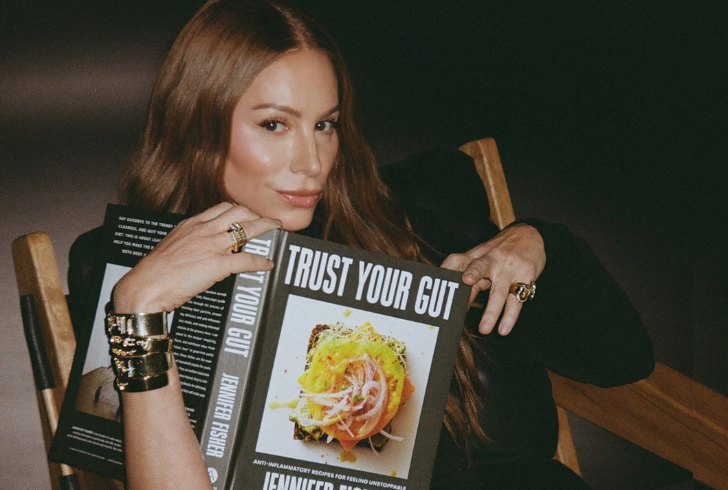
Instagram | maedyn | Online cooking content during Covid fueled Fisher’s growth and brand partnerships.
During the Covid period, Fisher began sharing cooking videos and recipes online. The content resonated, and her following grew steadily. That engagement created opportunities for collaborations, new categories, and brand deals.
“I’m using my food platform to acquire customers and cross-pollinate on social,” Fisher said. “You don’t have to stay in your lane — it’s more important now to go to every party, take every meeting. Relationships are everything. That’s something people forget about as your business gets bigger.”
A Different Definition of Lifestyle Branding
Earlier lifestyle brands expanded by placing logos on everything from towels to children’s wear. More recent examples stayed closer to accessories, adding handbags or shoes. Fisher chose another route.
“My business intuition kicked in,” she said when explaining the decision to launch salt. “I thought, ‘I can sell this, it feels more natural.’ I always said I wanted to do it differently.”
That approach aligns with a post-influencer era where creators build companies directly from audience behavior. Affiliate platforms now act as retail testing grounds. Fisher used Shopmy sales data to track which sunglasses styles performed best, then applied those insights while planning her own eyewear launch.
Operating in a Challenging Market
The Jennifer Fisher brand now operates across 35 stockists, including traditional wholesale partners, online marketplaces, and hotel boutiques. Direct-to-consumer sales remain the priority. The business model reflects an ecosystem of categories shaped by personal relevance and real-time feedback rather than rigid planning.
Two years ago, Fisher entered a joint venture with Centric Brands, which also owns Favorite Daughter. The partnership provided access to a global jewelry supply chain. Fisher now serves as chief brand officer, overseeing design and product development. Sales increased 30% year over year, and the company is forecasting 3.5 times growth by 2028.
Adjusting Product and Price Strategy
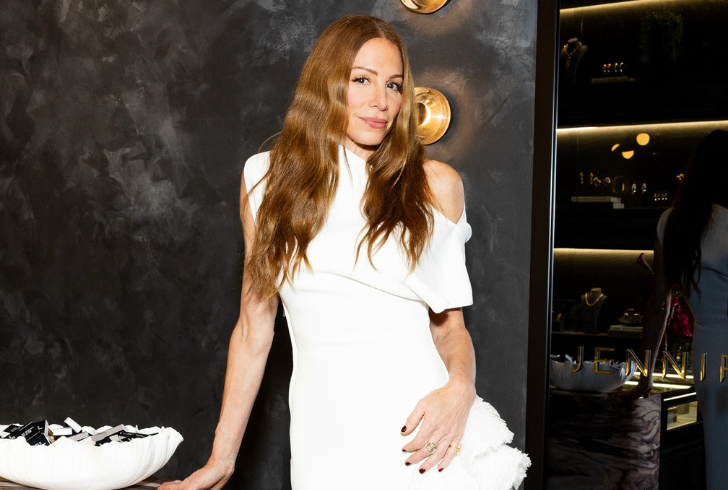
Instagram | bfa | Fisher rejects the "Hoops" label as she tightens wholesale and prioritizes fine jewelry.
Growth plans include a renewed focus on fine jewelry while responding to economic pressure. A hollow version of an 18-karat gold chain is set to launch at a lower price point, following customer feedback. Fisher has said the goal is to avoid pricing out loyal buyers.
The brand is also refining its wholesale strategy. Minimum order values will be introduced this year, a move expected to reduce smaller accounts. While a New York Times profile once labeled Fisher the “Queen of Hoops,” she has pushed back against that framing, noting that the business began in fine jewelry.
Systems Over Sentiment
Operating within a larger corporate structure brings new constraints. “You have to be nimble. It’s harder now that we’re part of a $3 billion company,” Fisher said. “But it’s about having systems set in place, making sure your margins are correct — all that for brand survival. Every day is hard.”
The Beverly Hills store, once again located steps from Erewhon, reflects that balance between intuition and structure. Placement, product mix, and timing all tie back to where customers already spend their time.
Lifestyle brands in 2026 are built less on image and more on integration. Jennifer Fisher’s business shows how personal visibility, data-driven decisions, and category expansion rooted in real habits can support long-term growth. The model favors adaptability, close audience connection, and a willingness to operate outside traditional boundaries while keeping financial discipline intact.